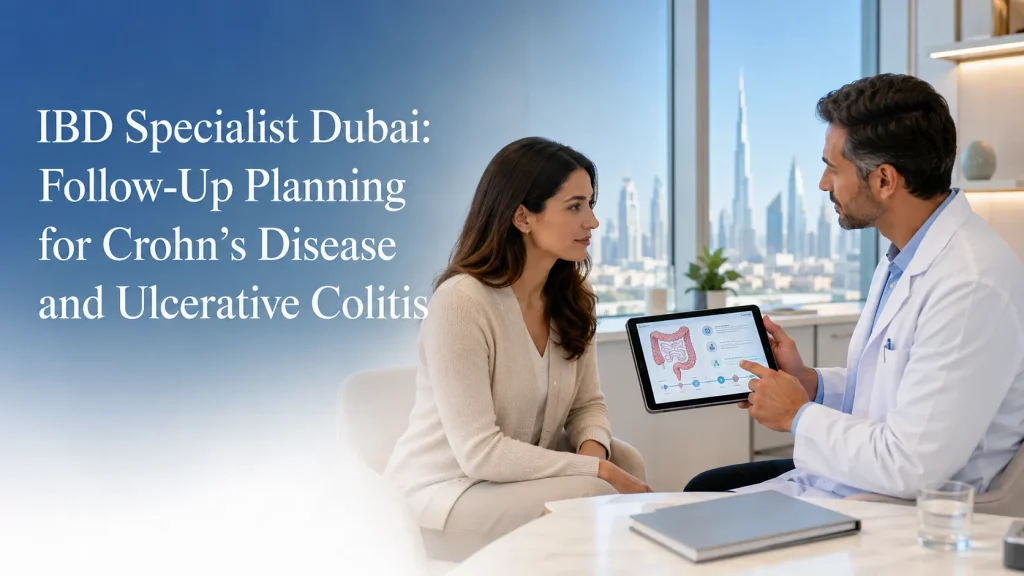
An IBD specialist Dubai consultation can help patients build a clear follow-up plan for Crohn’s disease or ulcerative colitis. Both conditions belong to a group called inflammatory bowel disease, or IBD.
IBD can change over time. For example, symptoms may improve, return or worsen. In addition, some patients feel well even when inflammation continues. Meanwhile, others experience symptoms that do not always mean active inflammation.
Send us a Message
Therefore, good follow-up looks beyond one symptom. Instead, it combines medical review, objective markers and the right tests at the right time. As a result, patients can understand their condition more clearly and make informed decisions with their doctor.
Why an IBD Specialist Dubai Follow-Up Plan Matters
Crohn’s disease and ulcerative colitis are chronic conditions. Consequently, patients may experience periods of remission and periods of relapse, often called flares.
The aim of follow-up is not only to reduce symptoms. It also helps doctors control inflammation, prevent complications and protect long-term health. Moreover, regular review can help the medical team identify changes before they become more difficult to manage.
An IBD specialist may review:
- Current symptoms
- Bowel habits
- Previous flares
- Medication response
- Treatment side effects
- Blood test results
- Stool markers
- Imaging results
- Endoscopy findings
- Nutrition and weight changes
- Quality of life
Because each patient has a different disease pattern, this structured approach helps the doctor choose the next step. In addition, it reduces the risk of relying on symptoms alone.
Crohn’s Disease Follow-Up
Crohn’s disease can affect different parts of the digestive tract. It often affects the small intestine and the beginning of the large intestine. However, it can also involve other areas.
Common symptoms include:
- Diarrhea
- Abdominal cramps
- Abdominal pain
- Weight loss
- Fatigue
- Reduced appetite
- Fever in some cases
- Nausea or vomiting
- Symptoms outside the digestive tract in selected patients
The NIDDK guide to Crohn’s disease explains that treatment aims to reduce intestinal inflammation, prevent flares and maintain remission.
Consequently, a Crohn’s disease doctor in Dubai may review symptoms, lab results and previous imaging before changing treatment. Furthermore, the plan may depend on disease location, severity, medication history and possible complications.
Ulcerative Colitis Care Dubai Patients May Need
Ulcerative colitis affects the large intestine. Although symptoms vary between patients, they may also change over time.
Common symptoms include:
- Diarrhea
- Blood in the stool
- Rectal bleeding
- Abdominal cramps
- Abdominal pain
- Urgency
- Mucus in the stool
- Feeling the need to pass stool even when the bowel feels empty
- Fatigue
- Weight loss in more active disease
The NIDDK guide to ulcerative colitis explains that doctors use medicines to reduce inflammation and maintain remission. However, some patients may need surgery when complications occur or medical treatment does not provide enough control.
Therefore, ulcerative colitis care Dubai patients receive should match disease severity, treatment history and monitoring results. In addition, patients should report new symptoms early because their care plan may need adjustment.
How an IBD Specialist Dubai Monitors Disease Activity
An IBD specialist Dubai assessment may combine several tools. However, doctors do not use the same combination for every patient.
Monitoring may include:
- Symptom review
- Physical examination
- Complete blood count
- Inflammation markers
- Liver function tests
- Iron and vitamin status
- Stool tests
- Fecal calprotectin
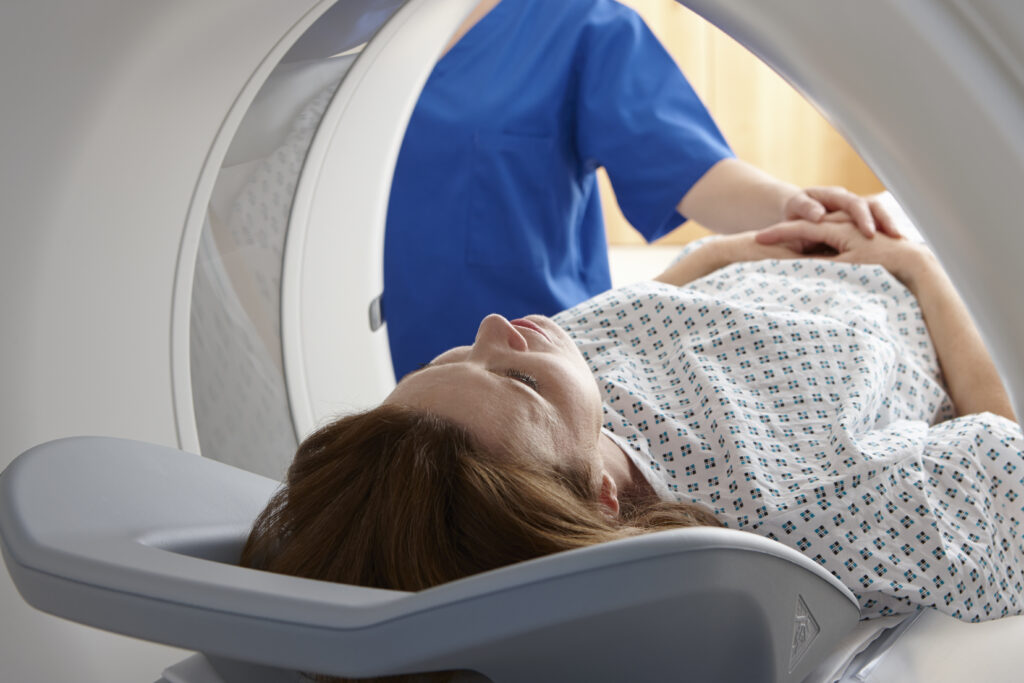
- Imaging
- Colonoscopy or other endoscopy when needed
- Medication safety monitoring
The AGA guideline on biomarkers in Crohn’s disease explains that fecal calprotectin and serum CRP can help inform disease management in symptomatic and asymptomatic patients.
Nevertheless, biomarkers do not replace medical review. Instead, they support decisions alongside symptoms, examination and other tests. For example, a doctor may compare symptom changes with stool markers before deciding whether further imaging or endoscopy is needed.
Why Symptoms Alone May Not Be Enough
Symptoms matter, but they do not tell the full story.
For instance, one patient may have diarrhea because of active IBD. By contrast, another patient may have similar symptoms because of infection, diet, medication effects or an overlapping functional bowel disorder.
Meanwhile, a patient in remission may feel well. However, inflammation can still require attention in some cases.
Because of this, inflammatory bowel disease follow-up needs a personalized plan. Therefore, doctors compare symptoms with objective findings before changing treatment.
Intestinal Ultrasound for IBD Monitoring
intestinal ultrasound, also called bowel ultrasound, can support less invasive monitoring in selected IBD patients. In addition, it uses ultrasound to assess visible bowel changes without ionizing radiation.
The scan may help doctors review:
- Bowel wall thickness
- Visible inflammation
- Blood flow changes
- Surrounding tissue changes
- Fluid collections
- Possible strictures in selected cases
- Response to treatment over time
Gemelli Medical Centre lists intestinal ultrasound within its specialist gastroenterology and intestinal ultrasound care services.
However, intestinal ultrasound does not replace colonoscopy or every other imaging test. Instead, it can add useful information when the doctor selects it for the right clinical question.
Medication Review and Safety Monitoring
IBD treatment differs between patients. Therefore, a doctor may use different medicines depending on diagnosis, severity, disease location, previous treatment response and safety factors.
Follow-up may include:
- Reviewing symptom response
- Checking adherence
- Discussing side effects
- Monitoring blood tests
- Assessing infection risk
- Reviewing vaccinations when appropriate
- Checking nutrition
- Deciding whether the current plan remains suitable
Most importantly, do not stop or change IBD medicine without speaking with your treating doctor. In addition, report side effects early because your doctor may need to review the treatment plan.
Nutrition and Daily Life
IBD care is not only about medicines. In addition, nutrition, hydration and daily habits matter.
Patients may need support with:
- Weight loss
- Iron deficiency
- Vitamin deficiencies
- Food triggers
- Hydration
- Fatigue
- Work or travel planning
- Stress during flares
- Exercise during remission
- Questions about pregnancy or family planning
However, diet advice should fit the patient’s condition. Therefore, avoid extreme restriction without medical guidance. Instead, discuss any recurring food concerns with your medical team.
When to Contact Your Doctor Promptly
Contact your medical team if you notice:
- Increasing diarrhea
- New blood in the stool
- Worsening abdominal pain
- Fever
- Vomiting
- Reduced appetite
- Weight loss
- New fatigue
- Symptoms after changing medication
- A flare that does not improve
In addition, seek urgent medical care for:
- Severe abdominal pain
- Persistent vomiting
- Significant bleeding
- Black stools
- Severe dehydration
- Fainting
- Marked abdominal swelling
- High fever with worsening symptoms
- Rapid deterioration
Questions to Ask During Your Appointment
Before your appointment, bring a short list of questions:
- Is my disease active?
- Do I need blood or stool tests?
- Should I repeat colonoscopy?
- Is intestinal ultrasound suitable for my case?
- Should my medication plan change?
- Do I need nutrition support?
- Which symptoms need urgent attention?
- When should I book follow-up?
As a result, your consultation will be clearer and more useful. Moreover, writing down your questions can help you remember the most important points.
FAQ
Is Crohn’s disease the same as ulcerative colitis?
No. Both belong to IBD, but they can affect different parts of the digestive tract. Therefore, they require individualized treatment plans.
Can I feel well while inflammation continues?
Yes, this can happen in some patients. For that reason, doctors may use biomarkers, imaging or endoscopy to assess disease activity.
Does intestinal ultrasound replace colonoscopy?
No. Instead, it can support follow-up when the doctor needs additional information. However, colonoscopy may still be needed for diagnosis, biopsies, surveillance or detailed assessment.
How often should I see an IBD specialist?
The schedule depends on symptoms, disease activity, treatment and risk factors. Therefore, your doctor should create a personalized follow-up plan.
Final Takeaway
An IBD specialist Dubai consultation can help patients manage Crohn’s disease or ulcerative colitis with a structured follow-up plan. Overall, strong care combines symptoms, biomarkers, imaging and specialist review.
Therefore, patients should not wait for symptoms to become severe before requesting follow-up. To discuss your needs, you can book an IBD specialist consultation in Dubai with Gemelli Medical Centre.
 English
  Arabic