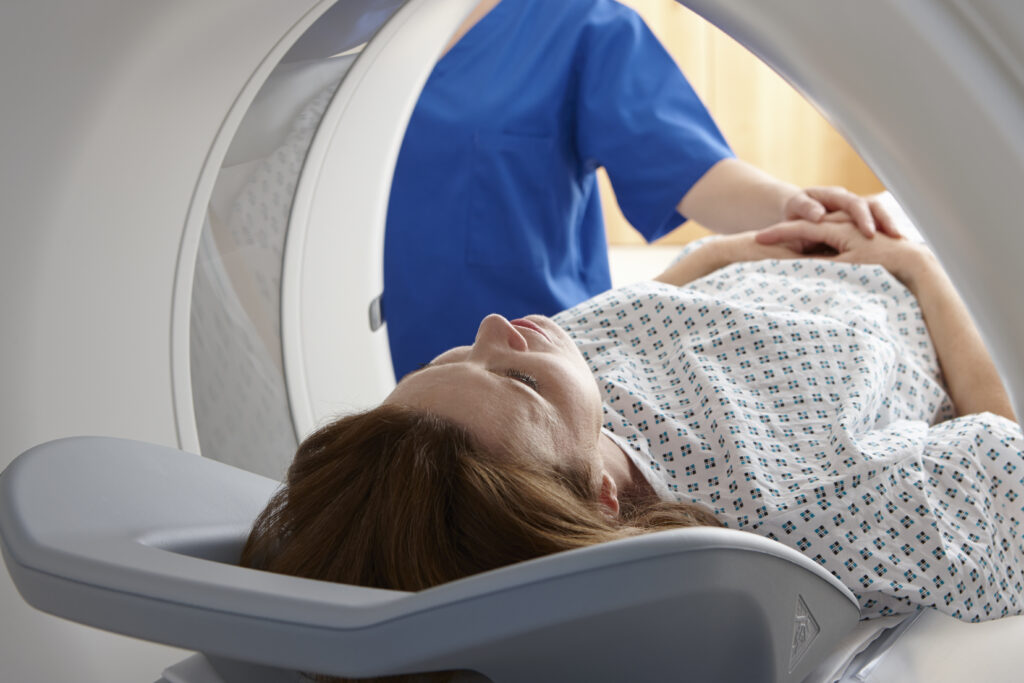
Searching for heart tests for chest discomfort in Dubai usually means one thing: you are experiencing symptoms and want to understand what may happen next. Chest discomfort, breathlessness, and palpitations can have many causes. Some are related to the heart, while others may come from the lungs, digestion, muscles, stress, anemia, thyroid problems, or medication effects.
The important point is not to self-diagnose. A cardiologist looks at your symptoms, age, risk factors, medical history, examination findings, and test results before deciding which investigation is appropriate. The 2021 AHA/ACC chest pain guidance emphasizes risk stratification and choosing tests according to the patient’s level of risk and clinical presentation.
Send us a Message
When Should Chest Symptoms Be Treated as Urgent?
Seek urgent medical help immediately if chest discomfort is severe, sudden, worsening, or associated with:
- Pain spreading to the arm, jaw, back, or shoulder
- Shortness of breath at rest
- Sweating, nausea, or fainting
- New weakness or confusion
- Very fast or irregular heartbeat with dizziness
- Chest pain after exertion that does not settle
- Known heart disease with new symptoms
This article is a general guide, not a substitute for emergency care. If symptoms feel serious or unusual, emergency assessment is the safer choice.
Why Symptoms Alone Are Not Enough
Two patients may describe “chest discomfort” in very different ways. One may feel pressure during walking. Another may feel burning after meals. A third may have tightness during stress. The same applies to breathlessness and palpitations.
That is why a breathlessness heart test in Dubai or a palpitations evaluation in Dubai should begin with a clinical consultation. The doctor may ask:
- When did the symptom start?
- Does it happen at rest or during exertion?
- How long does it last?
- Is it linked to meals, stress, exercise, or sleep?
- Do you have diabetes, high blood pressure, cholesterol, smoking history, or family history of heart disease?
- Are there associated symptoms such as dizziness, swelling, fever, or fatigue?
These details help determine whether testing should focus on rhythm, heart muscle function, coronary arteries, valves, lungs, or non-cardiac causes.
ECG: The First Electrical Snapshot
An ECG records the electrical activity of the heart. It is often one of the first tests used when someone has chest discomfort, palpitations, dizziness, or suspected rhythm problems.
An ECG may help detect:
- Abnormal rhythm
- Signs of previous heart damage
- Possible reduced blood supply to the heart
- Conduction abnormalities
- Heart rate changes
However, a normal ECG does not always rule out heart disease. Some problems occur intermittently, and some coronary artery issues may require further testing.
Echocardiogram: Looking at Structure and Function
An echocardiogram is a cardiac ultrasound that shows the heart chambers, valves, wall movement, and pumping function. It can help assess whether breathlessness is related to valve disease, heart muscle weakness, fluid around the heart, or other structural findings.
The American Heart Association explains that an echocardiogram can show the heart’s size and shape, pumping strength, valve function, valve leakage, and valve narrowing.
This is where the comparison ECG vs echo vs stress test becomes useful. ECG checks electrical activity. Echo checks structure and function. A stress test checks how the heart performs under exertion or simulated stress.
Stress Testing: Assessing the Heart Under Demand
A stress test may be recommended when symptoms appear during exertion or when the doctor needs to assess how the heart responds to increased workload. Depending on the case, this may include:
- Exercise ECG
- Stress echocardiography
- Nuclear stress imaging
- Stress cardiac MRI
For intermediate-risk patients with chest pain and no known coronary artery disease, guidelines note that additional testing may include functional testing such as exercise ECG or stress imaging, or anatomic testing such as coronary CT angiography.
Coronary CTA: Looking at the Coronary Arteries
A coronary CT angiography scan may be recommended when the doctor wants to assess the coronary arteries and look for plaque or narrowing. This is especially relevant when symptoms and risk factors suggest possible coronary artery disease.
RadiologyInfo explains that coronary CTA can provide information about the presence and extent of plaque in the coronary arteries and may help identify coronary narrowing as a cause of chest discomfort.
At Gemelli Medical Centre, the presence of both cardiology and precision radiology services supports a coordinated pathway, where the cardiologist and radiology team can help determine which test best answers the clinical question. Gemelli’s website highlights advanced cardiology, precision radiology, and integrated care in Jumeirah.
When to See a Cardiologist
You should consider seeing a cardiologist if you have:
- Recurrent chest discomfort
- Breathlessness with mild activity
- Palpitations that are frequent, prolonged, or associated with dizziness
- High blood pressure
- Diabetes or high cholesterol
- Family history of early heart disease
- Abnormal ECG or blood test
- Previous heart condition
- New symptoms after age 40
The American Heart Association lists risk factors such as high blood pressure, high cholesterol, diabetes, smoking, obesity, family history, metabolic syndrome, and chronic kidney disease as important in heart attack risk assessment.
How Doctors Choose the Right Test
The right test depends on the question the doctor is trying to answer.
If the concern is rhythm, the doctor may start with ECG or longer rhythm monitoring.
If the concern is structure or valves, an echocardiogram may be suitable.
If the concern is exercise-related symptoms, stress testing may be considered.
If the concern is coronary artery plaque or narrowing, coronary CTA may be useful in selected patients.
Good cardiology care is not about doing every test. It is about choosing the test most likely to clarify the diagnosis safely and efficiently. The ACC summary of the chest pain guideline also warns that layered testing can increase costs, so clinicians should choose the test most likely to answer the clinical question.
Final Takeaway
Chest discomfort, breathlessness, and palpitations should be assessed carefully, especially when risk factors are present. The right pathway may include ECG, echocardiography, stress testing, coronary CTA, blood tests, or other investigations depending on the clinical picture.
If you are unsure whether your symptoms need cardiac evaluation, book a preventive cardiology consultation at Gemelli Medical Centre in Jumeirah for a structured assessment and clear next steps.
 English
  Arabic