coronary CT angiography Dubai is a non-invasive cardiac imaging test used to examine the coronary arteries, the blood vessels that supply the heart muscle. It can help doctors assess whether plaque buildup or narrowing may be contributing to chest discomfort, risk factors, or unclear test results.
RadiologyInfo explains that coronary CTA uses CT scanning and iodine-containing contrast material to examine the coronary arteries and determine whether they have narrowed. It may also provide information about plaque and other possible causes of symptoms.
أرسل لنا رسالة
What Is Coronary CT Angiography?
Coronary CT angiography, also called CCTA, creates detailed images of the coronary arteries. During the scan, contrast material is injected through an IV line so the arteries appear more clearly on CT images.
The images can help doctors evaluate:
- Coronary artery narrowing
- Plaque buildup
- Coronary artery anatom
- Possible causes of شعور بعدم الراحة في الصدر
- Whether further cardiac evaluation is needed
This is different from an ECG or stress test. ECG records electrical activity. A stress test evaluates performance under exertion or medication-induced stress. Coronary CTA focuses on anatomical imaging of the coronary arteries.
When Doctors May Recommend Coronary CT Angiography Dubai
Doctors may consider CCTA for selected patients with:
- Chest discomfort and low-to-intermediate risk features
- Unclear or non-diagnostic ECG or lab findings
- New or worsening symptoms after a previous normal stress test
- Inconclusive stress test results
- Need for coronary artery imaging before certain medical decisions
- Cardiovascular risk factors requiring structured assessment
The test should be recommended after clinical evaluation. Not every patient with chest symptoms needs CTA, and some patients may need urgent emergency assessment instead.
How to Prepare for Coronary CTA
Preparation varies by case, but patients may be asked to:
- Avoid eating or drinking for several hours before the scan if contrast will be used
- Avoid caffeine or energy drinks before the test
- Tell the doctor about allergies, especially contrast allergy
- Share all medications and supplements
- Inform the team about kidney disease, asthma, diabetes, thyroid disease, pregnancy possibility, or breastfeeding
- Remove metal items such as jewelry or clothing accessories
- Wear comfortable clothing
In some cases, medication may be used to slow the heart rate and improve image quality. The medical team will provide instructions based on the patient’s situation.
What Happens During the Scan?
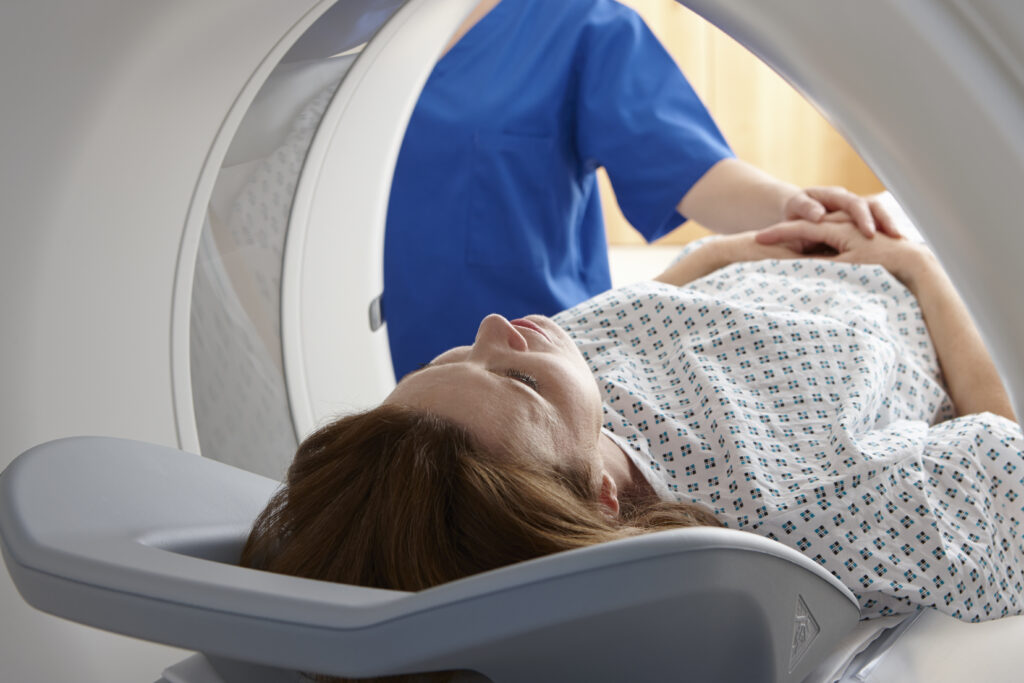
The patient lies on a CT table while the scanner captures images of the heart. An IV line is usually placed for contrast injection. The team may monitor heart rate and blood pressure before, during, or after the test if medication is used.
The scan itself is usually quick. Patients may be asked to hold their breath briefly to reduce motion and improve image clarity.
At Gemelli Medical Centre, CCTA is part of the precision radiology and advanced CT scan center, which is designed to coordinate imaging results with clinical questions.
What Can Heart CT Scan Results Show?
A report may describe:
- Whether coronary arteries appear narrowed
- The location and extent of plaque
- Whether plaque appears calcified or non-calcified
- Whether image quality was limited by motion or technical factors
- Whether additional testing or specialist review is needed
Results should always be interpreted by a qualified clinician in the context of symptoms, risk factors, ECG findings, and other investigations.
Why Cardiology + Radiology Coordination Matters
A scan is only useful when it answers the right medical question. Gemelli’s model supports coordination between imaging and advanced cardiology and preventive heart screening, helping patients move from test results to a practical care plan.
This is especially important for patients comparing CCTA with stress testing, echocardiography, or routine screening.
Technology and Patient Comfort
Gemelli’s CT content highlights the Siemens Somatom Force Dual Source CT scanner, with emphasis on speed, cardiac imaging, and patient-friendly scanning. Faster cardiac imaging can be useful because the heart is constantly moving, and minimizing motion can help image clarity.
FAQ
Is coronary CT angiography Dubai painful?
The scan itself is not usually painful. Patients may feel the IV line placement and a warm sensation when contrast is injected.
Does CCTA replace invasive angiography?
Not always. Coronary CTA is non-invasive and useful for selected patients, but invasive angiography may still be needed in certain cases depending on symptoms, risk, and findings.
Can everyone have contrast CT?
No. Contrast use needs review in patients with kidney disease, contrast allergy, certain medical conditions, or pregnancy considerations.
الخلاصة النهائية
Coronary CT angiography Dubai can be a valuable test when doctors need detailed coronary artery imaging. The most important step is choosing the test for the right patient and interpreting results inside a full clinical pathway.
If you have been advised to consider CTA, contact Gemelli Medical Centre to discuss eligibility, preparation, and next steps
 English
  Arabic