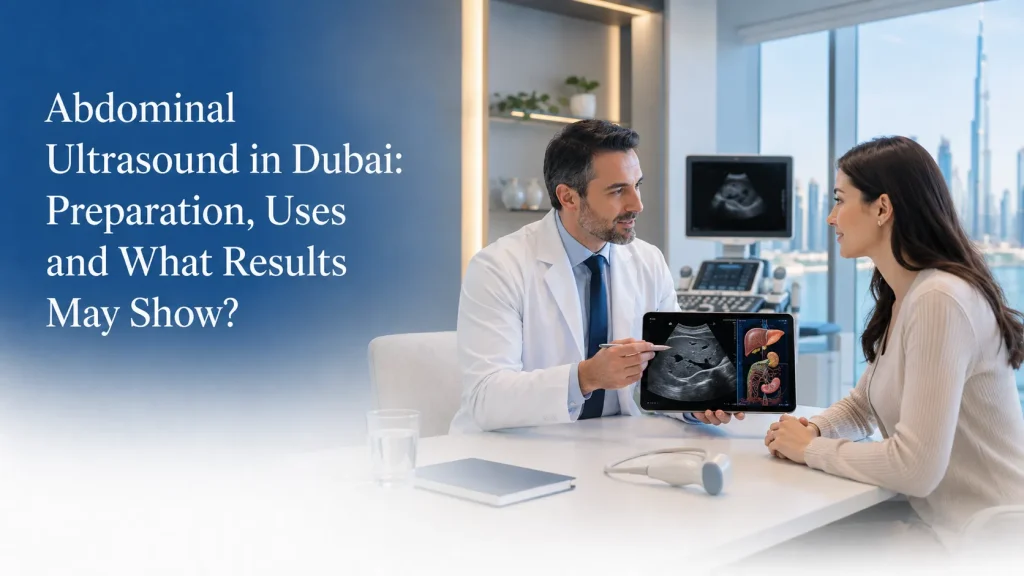
An abdominal ultrasound Dubai appointment may help doctors examine organs such as the liver, gallbladder, bile ducts, kidneys, spleen, pancreas, bladder and abdominal blood vessels. It uses sound waves, not ionizing radiation, to create real-time images of abdominal structures.
Doctors may request this test when patients have abdominal pain, bloating, abnormal liver tests, kidney symptoms, gallbladder concerns, unexplained digestive symptoms or follow-up needs. At Gemelli Medical Centre, the Internal Medicine and Specialist Ultrasound department lists complete abdominal ultrasound as part of its in-house diagnostic services, connected with metabolic and digestive care in Jumeirah.
Send us a Message
What Is Abdominal Ultrasound?
Abdominal ultrasound is a non-invasive imaging test. A clinician places gel on the skin and moves a handheld probe over the abdomen. The probe sends sound waves into the body and receives echoes that form images on the screen.
This test can help assess many abdominal organs, including the liver, gallbladder, spleen, pancreas, kidneys, bladder and abdominal aorta. Radiology Info explains that abdominal ultrasound preparation depends on the exam type, and patients may need loose clothing or specific instructions before the scan.
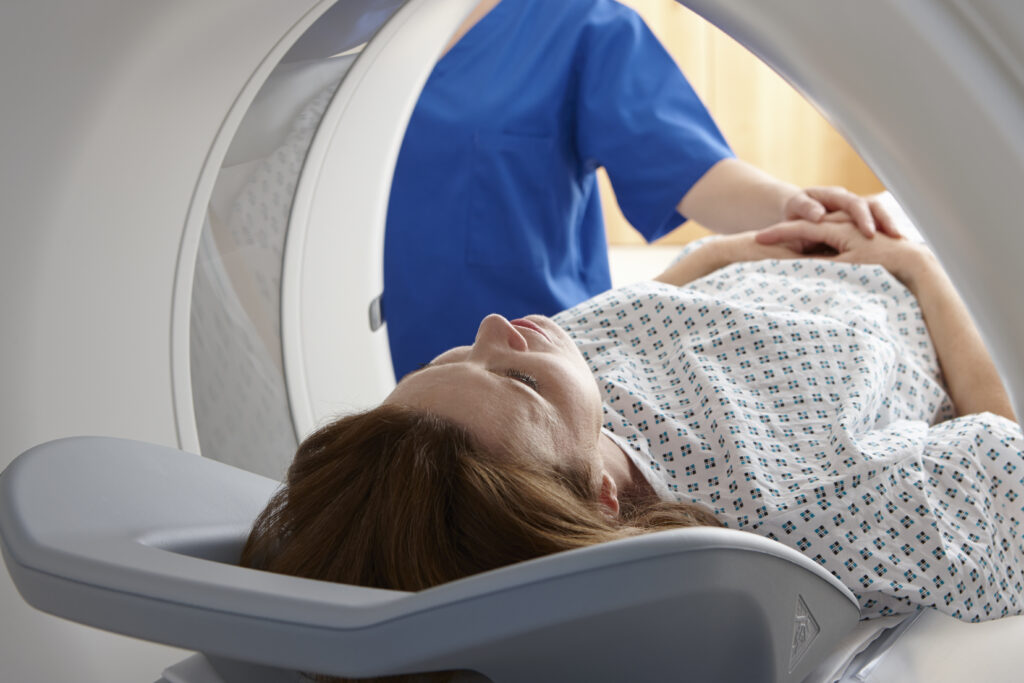
For patients comparing abdominal CT and ultrasound, the key point is simple: ultrasound is useful for many organ-focused questions, while CT may be better for broader or more complex cross-sectional imaging.
When Doctors May Request Abdominal Ultrasound Dubai?
Doctors may request abdominal ultrasound Dubai when symptoms or blood tests suggest an abdominal condition that needs imaging.
Common reasons include:
Upper abdominal pain
Right-sided abdominal pain
Suspected gallstones
Abnormal liver function tests
Kidney pain or urinary symptoms
Suspected fluid in the abdomen
Bloating or digestive symptoms
Follow-up of known liver, gallbladder or kidney findings
Screening of selected abdominal blood vessels
Guidance after physical examination or lab results
The test should always match the clinical question. A scan is most useful when the doctor explains what needs assessment.
What Can a Complete Abdominal Ultrasound Show?
A complete abdominal ultrasound may show organ size, structure, stones, cysts, fluid, swelling, duct changes or other findings. It may also help doctors decide whether the patient needs blood tests, CT, MRI, endoscopy, medication, follow-up or specialist review.
For example, a gallbladder ultrasound may help assess stones or inflammation. A liver ultrasound may help evaluate liver texture, focal findings or bile duct concerns. A kidney ultrasound may help assess swelling, stones in selected cases, or structural changes.
At Gemelli, patients can access internal medicine and specialist ultrasound in Dubai, which supports a more complete pathway between symptoms, examination, ultrasound and follow-up planning.
How to Prepare for Ultrasound Preparation Dubai?
Preparation depends on the scan type. Some abdominal ultrasound exams require fasting because food and gas can reduce image clarity. Other scans may require a full bladder, especially when the bladder or pelvic area needs assessment.
General preparation may include:
Wear loose, comfortable clothing
Bring previous imaging reports
Follow fasting instructions if given
Ask whether you should drink water before the scan
Share your symptoms clearly
Tell the doctor about previous surgery or known conditions
Avoid applying creams or lotions if instructed
Do not guess the preparation. Follow the clinic’s instructions because liver, gallbladder, kidney and bladder ultrasound may have different requirements.
What Happens During the Scan?
During the scan, you lie on an examination couch. The clinician applies gel to the abdomen and moves the ultrasound probe across the skin.
You may need to change position, hold your breath briefly or turn to one side. These steps help improve image quality and allow better views of certain organs.
The scan is usually painless. You may feel mild pressure from the probe, especially over tender areas.
What Results May Show?
An abdominal ultrasound report may describe:
Liver size and texture
Gallstones or gallbladder wall changes
Bile duct dilatation
Kidney size or swelling
Cysts or focal findings
Fluid in the abdomen
Pancreas visibility, if technically possible
Spleen size
Bladder findings
Whether further imaging is needed
Results should be reviewed with your doctor. Imaging findings only become useful when matched with symptoms, blood tests and physical examination.
Red Flags: When Abdominal Symptoms Need Urgent Care?
Seek urgent medical care if abdominal pain is severe, worsening or associated with:
Persistent vomiting
Blood in vomit or stool
High fever
Fainting
Rigid or very tender abdomen
Yellow skin or eyes
Severe pain after trauma
Severe pain during pregnancy
This article is educational and does not replace emergency medical assessment.
FAQ
Does abdominal ultrasound use radiation?
No. Ultrasound uses sound waves and does not use ionizing radiation.
Do I need to fast before abdominal ultrasound?
Sometimes. Fasting may be needed for certain abdominal organs, especially gallbladder assessment. Follow the clinic’s instructions.
Can ultrasound detect all abdominal problems?
No. Ultrasound is useful for many questions, but some conditions need CT, MRI, endoscopy or lab tests.
Is abdominal ultrasound painful?
Usually no. You may feel mild pressure from the probe, especially if the area is already tender
Final Takeaway
An abdominal ultrasound Dubai appointment can help evaluate many abdominal and digestive concerns safely and non-invasively. The best results come from the right referral, correct preparation, skilled scanning and clinical follow-up.
To choose the right test and understand your results, you can book an abdominal ultrasound appointment with Gemelli Medical Centre.
 English
  Arabic